At Tirupathi Metal Alloys, we handle Inconel scrap enquiries from Italy, including grades such as UNS N06600, UNS N07718 and ASTM B443 / B444, for remelting and reuse in industry.
Among the foremost choices for demanding operating conditions is Inconel — a high-performance, nickel-based alloy known for its corrosion resistance, high-temperature stability, and mechanical strength. Recycled Inconel scrap offers a practical way to recover valuable alloy material.
Let's explore how Inconel scrap can support Italy's chemical and petrochemical industries while helping businesses manage material costs.
What Is Inconel Scrap?
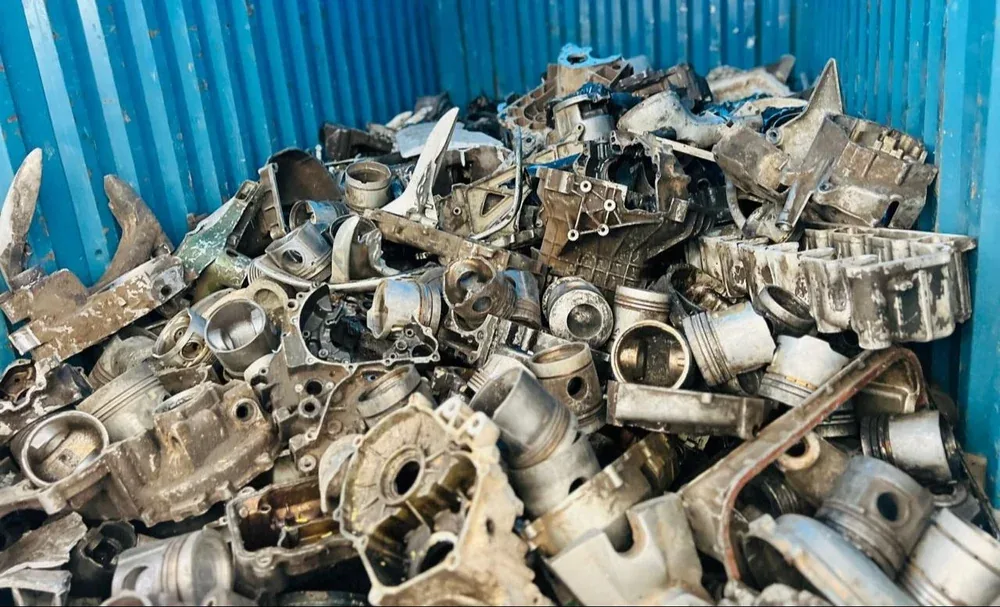
Inconel scrap refers to leftover, surplus, or recycled pieces of Inconel alloy recovered from industrial processes. When correctly identified, sorted, and tested, this material may be suitable for reuse in appropriate recycling and remelting applications.
Common sources and uses include:
- Foundries
- Remelting operations
- Alloy manufacturers
Grades such as UNS N06600 (Inconel 600) and UNS N07718 (Inconel 718) are used in demanding industrial environments. The correct grade must be verified before material is selected for a particular application.
Why Inconel Scrap Is Valuable in Chemical and Petrochemical Plants
1. High Corrosion Resistance
Chemical plants may expose equipment to acids, alkalis, salts, and other aggressive substances. Depending on the exact grade and operating conditions, suitable Inconel alloys can provide resistance to corrosion and help support long service life.
- Sulfuric acid environments, where grade compatibility is verified
- Selected chemical processing applications
- High-temperature industrial equipment
2. High-Temperature Stability
Equipment such as reactors, heat exchangers, and furnaces may operate under elevated temperatures. Appropriate Inconel grades are selected according to temperature, pressure, and chemical exposure requirements.
3. Cost-Efficient Recycling
Nickel-based alloys contain valuable alloying elements. Recovering suitable scrap can help conserve raw materials. Actual cost savings depend on grade, purity, processing, testing, and market conditions.
4. Suitable for Remelting and Recasting
Properly identified and segregated Inconel scrap may be used as feedstock for suitable remelting operations. Material acceptance depends on composition, contamination levels, and the buyer's specifications.
Common Grades of Inconel Scrap
The following table outlines common grades and examples of their typical industrial uses. Final selection should be confirmed against the applicable material specifications.
| Scrap Grade | UNS Number | Typical Applications | Key Properties |
|---|---|---|---|
| Inconel 600 | UNS N06600 | Heat exchangers and selected process equipment | Corrosion and heat resistance |
| Inconel 718 | UNS N07718 | High-strength components and turbines | Strength and creep resistance |
| ASTM B443 material | Verify specification | Nickel alloy sheet and plate applications | Depends on the specified alloy |
| ASTM B444 material | Verify specification | Nickel alloy seamless pipe and tube applications | Depends on the specified alloy |
Important: ASTM B443 and ASTM B444 are product specifications, not universal Inconel grade names. Confirm the exact alloy, applicable standard, and material test report before purchasing or selling scrap.
Inconel Scrap Applications in the Italian Chemical Industry
1. Heat Exchangers and Condensers
Heat exchangers and condensers transfer heat between process streams. Suitable nickel alloys may be used in equipment where corrosion resistance and temperature performance are important.
2. Reactor Vessels
Chemical reactors require materials selected for the chemicals, pressure, and temperature involved. Verified alloy scrap may serve as feedstock for remelting into suitable components.
3. Distillation Columns
Distillation equipment separates chemical mixtures under controlled operating conditions. Material selection depends on the process chemistry and the equipment's design limits.
4. Pipe Systems and Tubing
Nickel alloy piping and tubing may be used in selected corrosive or high-temperature services. The grade and product specification must match the operating environment.
5. Valves, Fittings, and Flanges
Valves, fittings, and flanges require dependable material properties to handle process fluids safely. Alloy selection should follow engineering specifications and compatibility requirements.
Petrochemical Industry Applications of Inconel Scrap in Italy
Petrochemical facilities operate equipment under demanding conditions involving heat, pressure, and chemical exposure. Depending on the required alloy grade, nickel-based materials may be used in selected applications such as:
- Heater and reformer components
- Selected hydrocarbon processing equipment
- High-temperature process components
- Gaskets and other specified alloy components
Scrap intended for these applications should be accurately graded, clean, segregated, and supported by appropriate composition documentation.
Why Consider Recycled Inconel Scrap?
- Resource conservation: Recycling helps recover valuable nickel-based alloy materials.
- Potential cost benefits: Suitable recycled feedstock may offer savings compared with alternative material sources.
- Material recovery: Proper sorting and processing help return usable alloy content to manufacturing.
- Supply flexibility: Recycled materials can provide another sourcing option for qualified buyers.
Why Choose Tirupathi Metal Alloys?
When sourcing nickel alloy scrap, buyers should assess the supplier's material identification process, quality controls, documentation, and ability to meet the required specifications.
Important considerations include:
- Clearly identified and segregated scrap grades
- Material composition reports, where available
- Transparent quotations and material descriptions
- Packaging and shipping documentation
- Communication about quantity and delivery requirements
Contact Tirupathi Metal Alloys to discuss your Inconel scrap requirements, subject to grade availability and order specifications.
Conclusion
Inconel scrap can be a valuable resource for the recycling and remelting supply chain serving chemical and petrochemical industries. Correct grade identification, contamination control, and documentation are essential when evaluating material for industrial reuse.
Whether you are sourcing Inconel 600, Inconel 718, or another nickel-based alloy, confirm the material specification and intended application before placing an order.
Need an Inconel Scrap Quote?
Contact our team to discuss your material requirements,
quantity, and documentation needs.
Contact Us