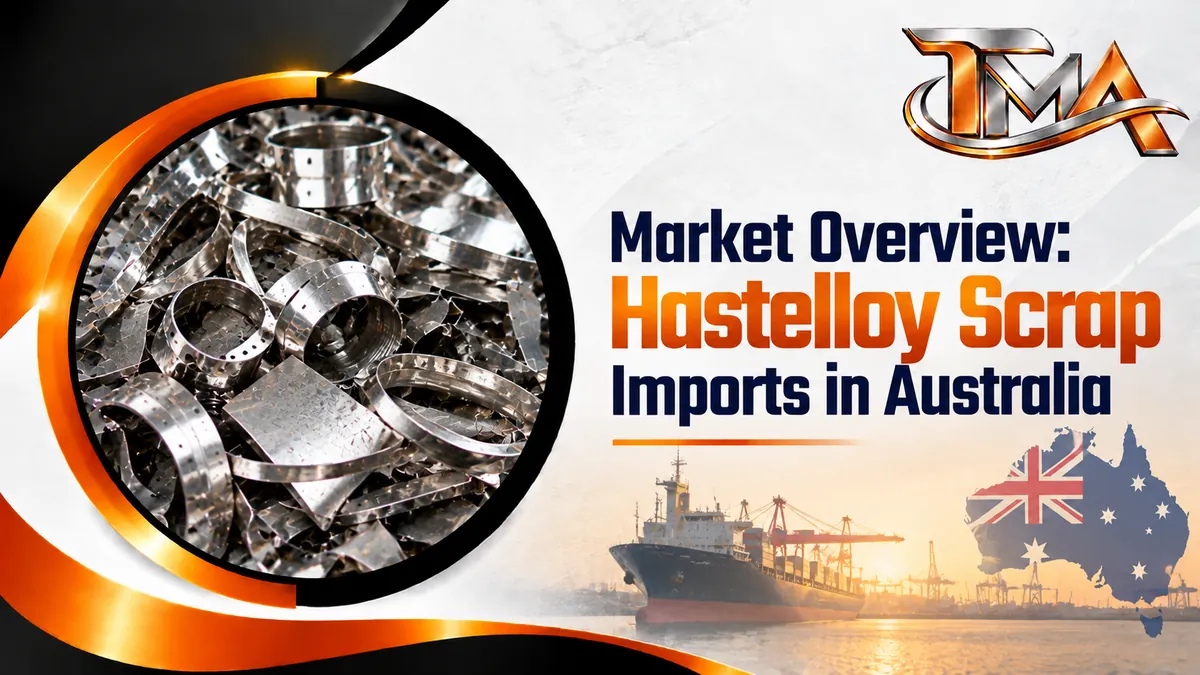
Market Overview: Hastelloy Scrap Imports in Australia
The global market for high-nickel alloy scrap continues to attract interest from industries that require corrosion-resistant and high-performance materials. Alloys such as Hastelloy are used in demanding industrial environments, including petrochemical plants, offshore facilities, chemical processing and selected power-generation applications.
For businesses evaluating the Australian market, understanding material grades, import classification, supplier reliability and logistics is important when planning nickel alloy scrap transactions.
1. Global demand for high nickel alloy scrap
The market for high-nickel alloy scrap includes specialist alloys such as Hastelloy, Inconel and Monel. These materials are valued for their properties in demanding industrial applications.
Scrap from nickel-based alloys can return to the recycling stream for recovery and, where suitable, use as feedstock in secondary alloy production.
The value of these scrap streams depends on their composition, grade identification, condition and the requirements of the receiving processor.
Demand is influenced by industrial activity, recycling capacity and the availability and prices of nickel and other alloying elements, including chromium, molybdenum and cobalt.
2. Australia's import surroundings & key HS codes
When importing alloy scrap into Australia, accurate product classification and customs documentation are important. The applicable tariff classification depends on the precise material composition, form and relevant customs rules.
Importers should not rely on a general HS code without checking whether it applies to the particular alloy scrap being shipped. Confirm the classification with an Australian customs broker or the relevant customs authority before preparing shipping documents.
Correct classification helps importers assess applicable duties, documentation requirements and any restrictions that may apply to the shipment.
3. The Australian import market for corrosion-resistant alloy scrap
Australia's industrial sectors include mining, chemical processing, marine infrastructure and desalination. Some of these activities require materials that perform in corrosive or otherwise demanding environments.
Importers may evaluate overseas sources of high-nickel alloy scrap when suitable local material is unavailable or when specific grades are required for recycling and downstream processing.
Key aspects of the market:
Importers and facilitators: Specialist alloy traders and recycling businesses may connect overseas suppliers with Australian processors.
Demand drivers: Petrochemical facilities, mining operations, desalination and chemical-processing industries can create demand for corrosion-resistant materials and recycling feedstock.
Quality requirements: Scrap should be correctly identified, sorted and assessed for contamination. Grade verification is important because different nickel alloys are not interchangeable.
Trade flows: Actual import volumes and trade patterns should be established using current official trade data rather than assumptions based on general market demand.
4. Positioning for importers in Australia & key players
In the specialist market for high-nickel and corrosion-resistant alloy scrap, Australian importers benefit from working with suppliers that communicate clearly and can identify the material being offered.
Importers should evaluate potential suppliers based on the availability of required grades, material documentation, sorting practices, commercial terms and shipping capability.
A supplier relationship should establish the precise material grade and condition, expected quantity, packaging, delivery arrangements and inspection requirements.
For Australian buyers, these checks can reduce the risk of grade mismatches, unexpected processing costs and delays caused by incomplete documentation.
5. Challenges & key trends
Businesses sourcing Hastelloy scrap in Australia may need to navigate several commercial and operational challenges.
Quality verification: Material should be identified using appropriate methods and supporting documentation. Mislabelled or mixed grades can affect value and processing suitability.
Pricing volatility: Nickel, molybdenum and chromium prices can change over time. Scrap quotations may also reflect grade, quantity, condition and regional demand.
Logistics and restrictions: International shipments may involve freight costs, customs requirements, port handling and applicable environmental or waste-related regulations.
Supply chain constraints: Specialist alloy grades may be less readily available than common stainless steel scrap, making advance planning and clear specifications particularly useful.
On the trend side:
Interest in recycling and recovering high-performance metals supports the importance of reliable identification, sorting and material recovery.
Industrial demand in sectors such as mining, chemicals, marine infrastructure and desalination may create opportunities for specialist alloy recyclers and importers, depending on actual market conditions.
6. Strategic knowledge for importing Hastelloy scrap into Australia
Businesses considering importing Hastelloy scrap into Australia should assess the material and shipment requirements before confirming a transaction.
a) Define alloy status strictly
Specify the required alloy grade, such as Hastelloy C22 or C276, where applicable. Confirm the offered material's identity and composition before purchase.
b) Review HS code classification
The correct tariff classification depends on the exact material and applicable customs rules. Confirm the classification with an Australian customs broker or the relevant authority before shipment.
c) Source from reliable specialist suppliers
Work with suppliers that can provide clear material descriptions, transparent commercial terms and relevant documentation for the grades offered.
d) Ensure cleanliness and documentation
Scrap should be appropriately sorted and assessed for contamination. Request chemical composition information and other material records where available and relevant to the transaction.
e) Consider logistics, duties and regulations
Account for freight, insurance, port handling, applicable import duties and customs requirements. Confirm whether any waste shipment or environmental rules apply to the material being imported.
7. The role of Tirupathi Metal Alloys in the supply chain
International alloy scrap transactions depend on accurate material descriptions, clear communication and suitable logistics arrangements.
Buyers evaluating suppliers should establish which grades are available and request details about quantity, material condition, identification and supporting documentation.
For an Australian import enquiry, clearly communicating the required grade, destination and quantity helps suppliers evaluate the request and discuss potential shipping arrangements.
8. Outlook and bottom line
The Australian market for high-nickel alloy scrap sits at the intersection of industrial material demand, recycling and international trade. Importers need to consider material quality, supplier capability, classification and logistics together.
Global demand for specialist alloys can create opportunities for recycling and material recovery, but actual market conditions vary by grade and application.
Australian importers should verify the applicable customs classification and confirm all relevant import requirements before shipping.
Reliable supplier communication, correct grade identification and suitable documentation are important for a smoother sourcing process.
If you are evaluating nickel alloy scrap requirements, contact Tirupathi Metal Alloys to discuss your enquiry.
Contact Us